Bar specialties syrup
Invert Sugar Syrup
Sugar, water and a squeeze of lemon, simmered until it can't crystallize. The pastry chef's secret.
- 1 hr 32 min total
- 1¾ cups + 2½ tbsp450 ml
- Keeps 6 months
Quick answer
Invert sugar syrup is sugar split into glucose and fructose, so it resists crystallizing and keeps desserts moist. Simmer 500 g sugar, 250 ml water and 1 tbsp lemon juice (or ¼ tsp cream of tartar) to 110 °C (230 °F), hold it at 110–114 °C for 20 minutes, then cool.
Invert sugar is a pastry-kitchen staple you can make with a saucepan, a thermometer and a lemon. A little acid and steady heat split table sugar (sucrose) into glucose and fructose. Those two sugars get in each other's way, so the syrup stays smooth instead of crystallizing, holds onto moisture, and tastes a little sweeter than the sugar you started with.
That's why it turns up in ice cream and sorbet for a smoother scoop, in ganache and caramels to stop graininess, in soft cookies, and behind the bar as a sweetener that never crusts in the bottle. The finished syrup is thick, pale gold and pours like runny honey.
Tastesclean sweetnesslight honeyfaint caramel
The recipe
Invert Sugar Syrup
Ingredients for 1¾ cups + 2½ tbsp450 ml
You’ll need: All-Clad D3 Stainless 2 qt Saucepan with Lid, thermometer, pastry brush, kitchen scale, glass jarAll-Clad D3 Stainless 2 qt Saucepan with Lid, thermometer, pastry brush, kitchen scale, glass jar
Method
-
Combine
Put the sugar, water and lemon juice (or cream of tartar) in a heavy saucepan of at least 2 quarts (2 L), because it bubbles up as it cooks. Stir over medium heat until the sugar dissolves and the syrup comes to a boil, about 5 minutes.
2½ cups500 g granulated sugar1 cup + 1 tbsp250 ml water1 tbsp1 tbsp fresh lemon juice¼ tsp¼ tsp cream of tartar
-
Wash down the sides
Stop stirring from here on. Cover the pan for 2 minutes so the steam rinses any sugar crystals off the sides, or brush them down with a wet pastry brush.
-
Simmer to temperature
Uncover and simmer gently, without stirring, until an instant-read thermometer reads 110 °C (230 °F), 15–25 minutes. Tilt the pan so the probe sits in the syrup rather than against the bottom.
-
Hold
Turn the heat to low and keep the syrup at a lazy simmer between 110 and 114 °C (230–237 °F) for 20 minutes. This is when most of the sugar inverts, and it slowly turns pale gold. If it climbs past 114 °C, carefully add 1 tbsp hot water and swirl the pan.
-
Cool and store
Take the pan off the heat, cover it and let it cool undisturbed until warm but no longer hot, about 45 minutes. Pour into a clean jar, cap and refrigerate. It thickens as it cools.
Storage. Keeps up to 6 months in a clean, sealed jar in the fridge. It turns very thick when cold, so scoop it, or stand the jar in hot water for a few minutes to loosen it. If it slowly turns grainy, rewarm it gently until smooth. Discard it if you see mold, fizzing or a sour smell.
Per 1 tbsp (15 ml): about 65 kcal, 16.7 g sugar (estimate).
How to use it
Ice cream & sorbet
Replace about a quarter of the sugar, by weight, with invert syrup for a smoother, more scoopable texture with fewer ice crystals.
Ganache, fudge & caramel
A spoonful or two per batch keeps ganache glossy and caramels soft, and helps stop fudge turning grainy.
Cookies & cakes
Swap 1–2 tbsp of the sugar for invert syrup to keep cookies chewy and cakes moist for days. Expect faster browning.
Old Fashioned
1 barspoon (5 ml) with 2 oz (60 ml) bourbon or rye and 2 dashes Angostura. It's a little sweeter than rich syrup and never crystallizes.
Iced tea & cold brew
It dissolves instantly in cold drinks. Thin it with a little warm water first so it pours easily.
Gear for this recipe
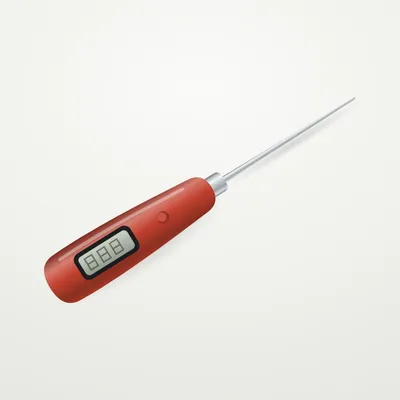
ThermoWorks ThermoPop 2 Instant-Read Thermometer
Fast, accurate readings take the guesswork out of caramel and keep tea or flower steeps below bitter temperatures.
Best for Caramel and temperature-sensitive steeps
OXO Good Grips Silicone Pastry Brush
Best for Soaking cake layers
All-Clad D3 Stainless 2 qt Saucepan with Lid
Best for Caramel and rich syrups
Escali Primo Digital Kitchen Scale (11 lb)
Best for Exact ratios, every batch
More gear for this recipe (1)
Ball Regular Mouth 16 oz Pint Mason Jars (12-pack)
Best for Big batches and everyday storage
Tips for the best batch
- Check the temperature every few minutes. It climbs slowly at first, then quickly once most of the water has gone.
- Don't stir once it boils. Stirring knocks crystals back into the syrup, which is exactly what you're trying to prevent.
- Cream of tartar gives the most neutral flavor. Lemon juice adds a faint tang that suits fruit sorbets and cocktails.
- Invert sugar browns faster than table sugar. When you use it in baking, check for doneness a few minutes early.
- Hot sugar syrup causes serious burns. Use a deep pan, keep children and pets out of the kitchen, and let it cool before pouring it into glass.
Variations
Citric acid
Use ¼ tsp (about 1 g) food-grade citric acid in place of the lemon juice for consistent, flavorless results from batch to batch.
Golden syrup–style
Before you start, cook 50 g of the sugar with 2 tbsp water to a deep amber caramel. Stand back and add the 250 ml water a little at a time, because it spits, then stir until the caramel dissolves. Add the rest of the sugar and the lemon juice and continue as written. It's toasty and golden, for flapjacks and treacle tart.
Pourable cocktail syrup
Stir 4 parts invert syrup with 1 part warm water by weight. You get a pourable rich syrup that won't crystallize in the fridge. Keep it refrigerated and use it within about 2 months.
Questions people ask
What is invert sugar syrup?
It's table sugar (sucrose) split into its two simpler sugars, glucose and fructose, by gentle heat and a little acid. The result is a thick, pale gold syrup like light honey. It's called 'invert' because it bends polarized light the opposite way to sucrose.
Why use invert sugar instead of regular sugar?
It resists crystallization, holds onto moisture and tastes a little sweeter gram for gram. Pastry chefs use it for smoother ice cream and sorbet, softer cookies and glossy ganache, and it makes a cocktail sweetener that never turns grainy.
Can I make invert sugar without a thermometer?
You can, but it's harder to get right. Simmer gently for 30–40 minutes until the syrup is pale gold and a drop in cold water forms a soft thread or a very soft ball. A thermometer takes out the guesswork.
Is invert sugar the same as honey, corn syrup or golden syrup?
Not quite. Honey is naturally mostly glucose and fructose, so it behaves similarly but brings its own flavor. Corn syrup is mainly glucose; it stops crystals too, but it's less sweet and behaves differently in ice cream. Golden syrup is a partially inverted cane syrup with caramel notes.
How long does invert sugar syrup last?
Up to 6 months in a clean, sealed jar in the fridge. If it turns grainy, rewarm it gently. Discard it if you see mold, fizzing or a sour smell.
Keep going